

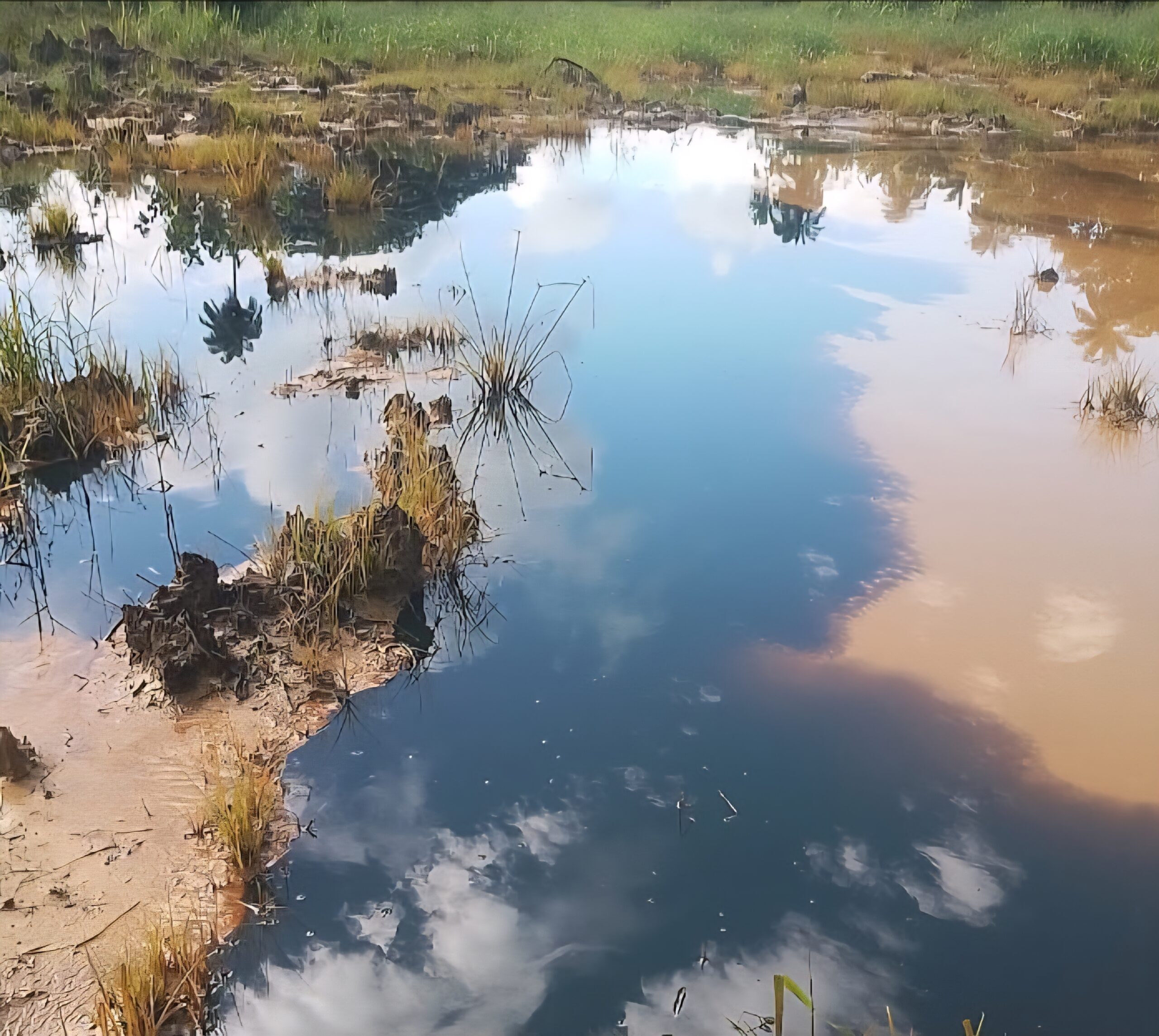

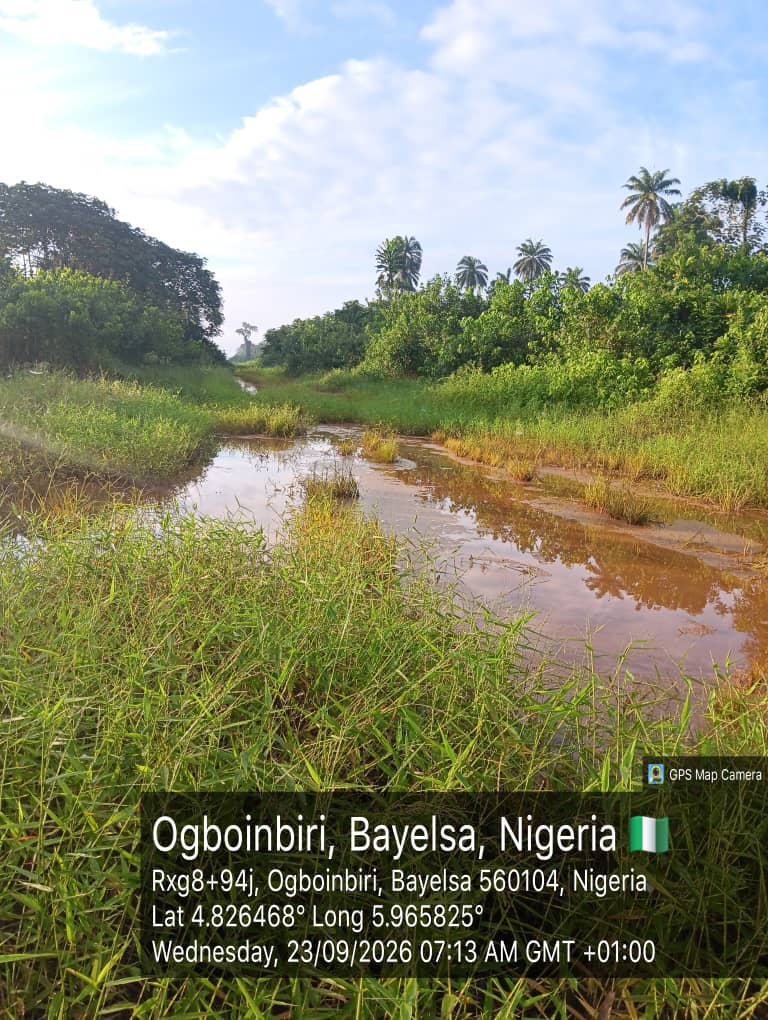
Another oil spill has occurred along the Ogboinbiri/Tebidaba pipeline operated by Oando in Southern Ijaw Local Government Area of Bayelsa State, with an investigation by the Environmental Conservation Agriculture and Rural Development (ECARD) attributing the incident to equipment failure.
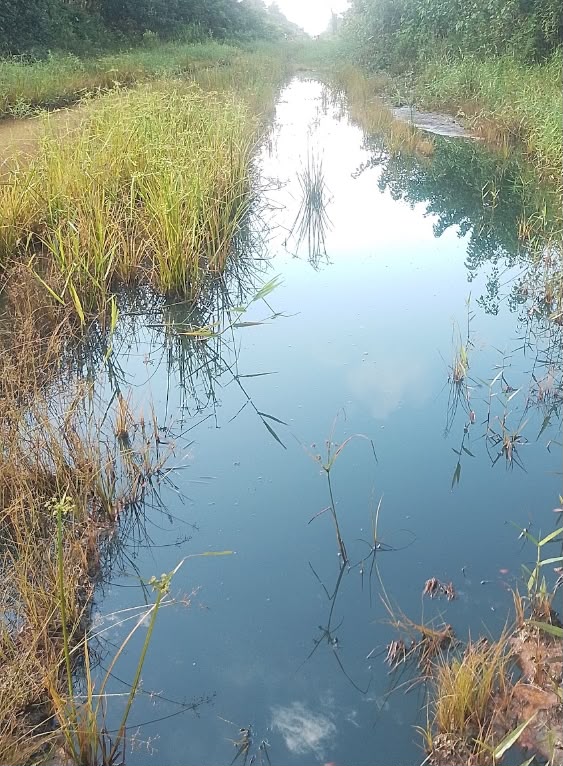
ECARD, in a field report signed by its investigator, Alagoa Morris, said the spill occurred around the boundary between Ogboinbiri and Keme-ebiama communities in Apoi Clan.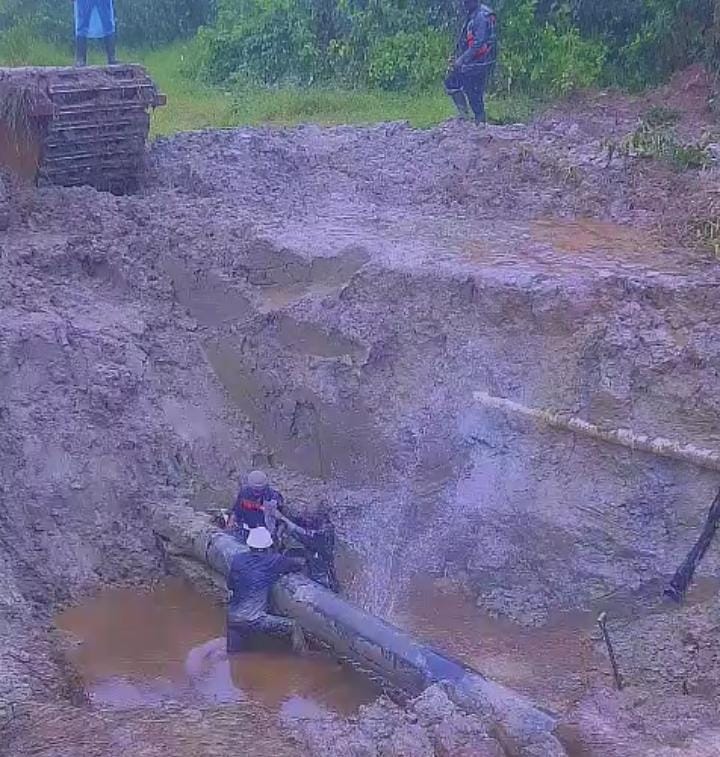
The organisation said it received information about the fresh spill from a contact in Keme-ebiama at about 9:45am on Saturday, September 26, 2026, and subsequently made efforts to confirm the incident through sources in neighbouring communities.
According to the report, the Ogboinbiri/Tebidaba pipeline traverses Keme-ebiama and other communities, including Ondewari and Okpotuwari, adding that the area has recorded several oil spill incidents over the years.
ECARD said that since August 22, 2024, when the Nigerian Agip Oil Company (NAOC) divested its 100 per cent interest in the Joint Venture to Oando, the stretch of the pipeline covering Ogboinbiri, Keme-ebiama, Ondewari and Okpotuwari had recorded about 10 oil spills.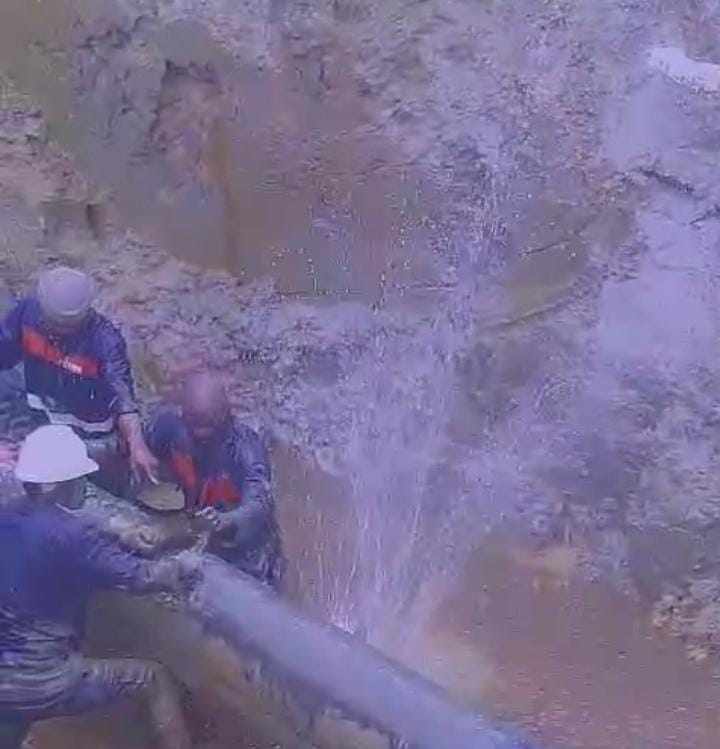
It said more than half of the incidents had reportedly been officially attributed to equipment failure.
The organisation noted that although private surveillance contractors, including Tantita and Pipeline Infrastructure Nigeria Limited, had helped to reduce third-party interference with oil facilities, operational failures and equipment defects remained major causes of recent spills.
ECARD said, “most spillages in recent times are traceable to either operational or equipment failure,” while noting that third-party incidents could be linked to economic or political interests, including bunkering, cleanup and repair contracts, bush refinery activities and demands for community development.
On the latest incident, ECARD said the response by Oando and relevant regulators was relatively swift, as a Joint Investigation Visit had reportedly been conducted and cleanup commenced shortly afterwards.
The organisation said it had not sighted the JIV report but noted that if the spill occurred on Wednesday, September 23, as indicated, the completion of the JIV and commencement of cleanup by Friday and Saturday represented a relatively quick response.
A member of the cleanup team, who spoke to ECARD at the site, confirmed that the JIV had been conducted and that equipment failure was identified as the cause of the spill.
The source said the spill point was within the Ogboinbiri environment, around the boundary with Keme-ebiama, but that the Keme-ebiama side was more affected.
The source added that cleanup was ongoing and had entered its second day as of Saturday.
The findings were also corroborated by a reliable source at the Bayelsa State Ministry of Environment, who reportedly confirmed that the JIV had been conducted and that equipment failure was established as the cause.
However, ECARD expressed concern about the standard of environmental cleanup following oil spills in Bayelsa State, arguing that the speed of response should be matched by proper remediation of affected environments.
The organisation said oil and gas pollution had continued to pose serious threats to the environment, health and livelihoods of communities in the Niger Delta.
ECARD also criticised what it described as inadequate documentation and public disclosure of oil spill incidents, saying regulators and oil companies do not always make incident reports and Joint Investigation Visit documents readily available to the public.
It said the recommendations contained in the Bayelsa State Oil and Environment Commission report should be implemented by the Federal Government and oil companies operating in the state.
According to ECARD, cleanup should go beyond scooping crude oil from the surface of water and removing contaminated materials, stressing that affected vegetation, waterways, farmlands and wetlands require proper remediation.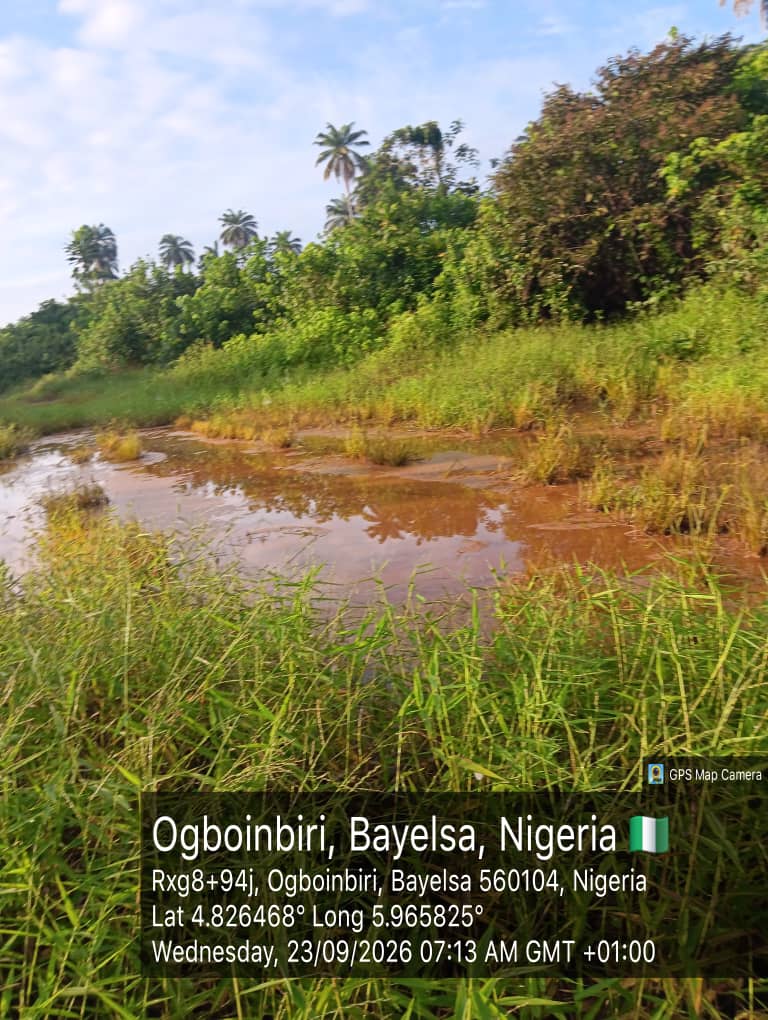
The organisation called for comprehensive cleanup of oil-impacted sites and urged the Federal Government and oil companies, particularly Shell and Agip, to implement recommendations aimed at protecting the environment and livelihoods of oil-producing communities.
ECARD further called for urgent preventive measures as the rainy season and annual flooding approach their peak, warning that oil spills could spread further through interconnected waterways and wetlands.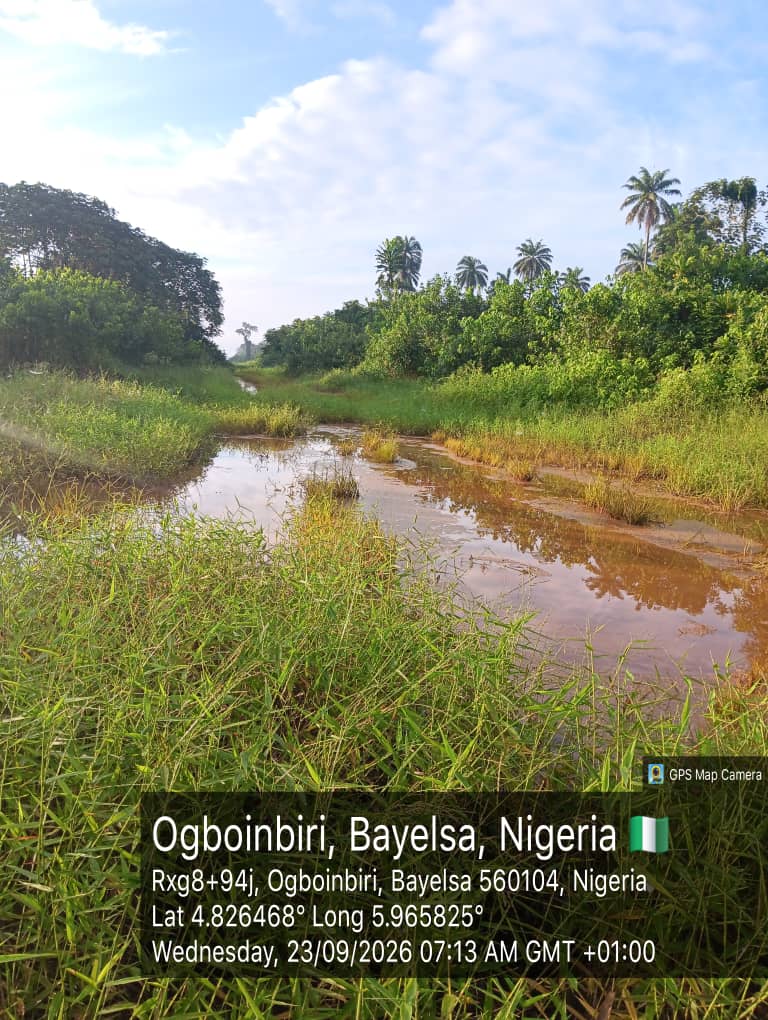
It also advocated the inclusion of contingency plans for proper cleanup and compensation of victims, noting that industrial accidents could not be completely eliminated.
About Author

