

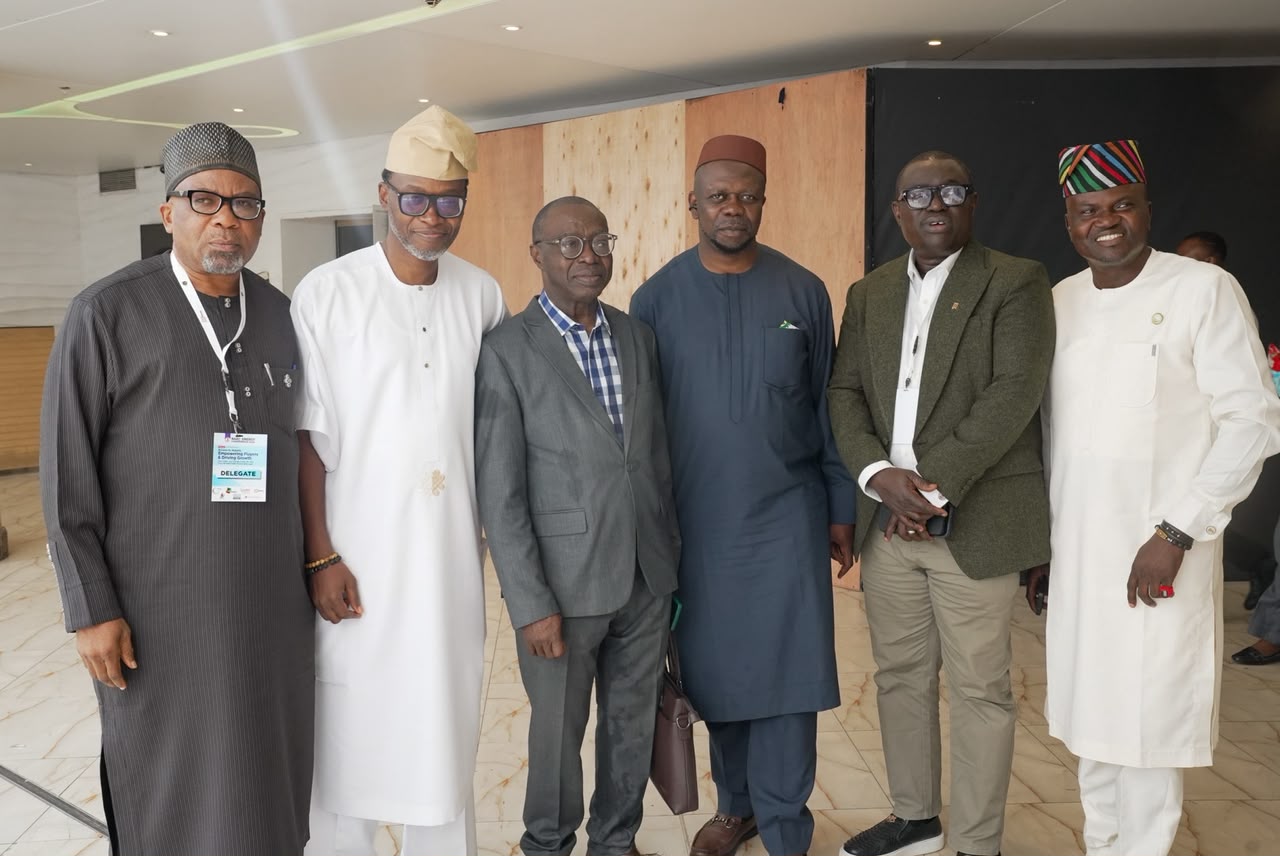
NCDMB Pushes for Greater Access to Assets to Boost Indigenous Participation in Energy Sector

The Nigerian Content Development and Monitoring Board (NCDMB) has called on indigenous oil and gas companies to strengthen their capacity and competitiveness in order to thrive in international markets. It identified access to assets, financing, technology, and markets as critical drivers of sustainable growth.
Speaking at the 2026 Energy Conference of the Association of Energy Correspondents of Nigeria (NAEC), held on October 8 at Eko Hotel and Suites, Lagos, the Board’s General Manager of Corporate Communications, Dr. Obinna Ezeobi, made the appeal while representing the NCDMB.
He highlighted that the conference theme, “Access to Assets: Empowering Players and Driving Growth,” resonates with the objectives of the Nigerian Oil and Gas Industry Content Development (NOGICD) Act, which is designed to create meaningful opportunities for Nigerians to participate and excel in the industry.
He emphasized that the Nigerian Content 10-Year Strategic Roadmap, launched in 2017, is built on five core pillars and four enabling factors, with the ambitious goal of raising local content participation to 70 percent by 2027. The roadmap also seeks to expand access to critical assets for skilled Nigerian professionals while strengthening the capacity and competitiveness of indigenous operating and service companies.
Dr. Ezeobi highlighted several of NCDMB’s flagship interventions that have enabled Nigerian companies to build capacity, secure financing, and gain greater access to opportunities across the oil and gas value chain. Chief among these is the Nigerian Content Intervention Fund (NCI Fund).
He noted that over 130 indigenous companies have accessed more than US$400 million through the Fund, which is domiciled with the Bank of Industry and NEXIM Bank. He also referenced Project 100, an initiative designed to support high-potential indigenous companies through capacity development, market access, financial linkages, and tailored business support.
Other key programmes include the Nigerian Content Equipment Certification (NCEC), the Nigerian Oil and Gas Parks Scheme (NOGaPS), and vendor development initiatives—all aimed at deepening local participation and strengthening the competitiveness of Nigerian firms.
Dr. Ezeobi further explained that the Board is facilitating partnerships between Nigerian and foreign companies, while promoting regional collaboration to help local businesses expand beyond national borders. He expressed satisfaction that Nigerian content in the oil and gas industry has grown from just 5 percent in 2010 to 61 percent after 16 years of implementing the Nigerian Content Act. He stressed, however, that the next phase must focus on equipping indigenous companies with the skills, technology, and business systems required to compete globally.
In his welcome address, NAEC Chairman Ugo Amadi called for expanded opportunities for indigenous companies to acquire and develop oil and gas assets, identifying high entry costs, funding constraints, and lengthy approval processes as major barriers.
PETAN Chairman, Engr. Wole Ogunsanya, underscored the need for consolidation and stronger collaboration among indigenous oilfield service companies, enabling them to pool technical capabilities and execute larger projects.
Conference Chairman and Group Managing Director of Sahara Power Enterprise Group, Mr. Kola Adesina—represented by Head of Corporate Communications, Bethel Obioma—emphasized that access must extend beyond ownership to include capital, partnerships, markets, technology, and opportunities. He remarked that “access is actually much greater and more important than assets,” noting that every transformational journey begins with access to ideas, mentors, capital, and partnerships before physical assets.
Minister of State for Petroleum Resources (Gas), Rt. Hon. Obongemem Ekperikpe Ekpo—represented by Senior Technical Adviser, Engr. Abel Nsa—stressed that Nigeria must move beyond mere ownership of its vast gas resources to their development, financing, and conversion into sustainable economic value. He explained that the Federal Government’s Decade of Gas initiative seeks to transform Nigeria from a resource-rich nation into one that leverages gas for industrialisation, power generation, transportation, manufacturing, fertilizer production, LPG adoption, and other productive uses that drive economic growth.
About Author

