

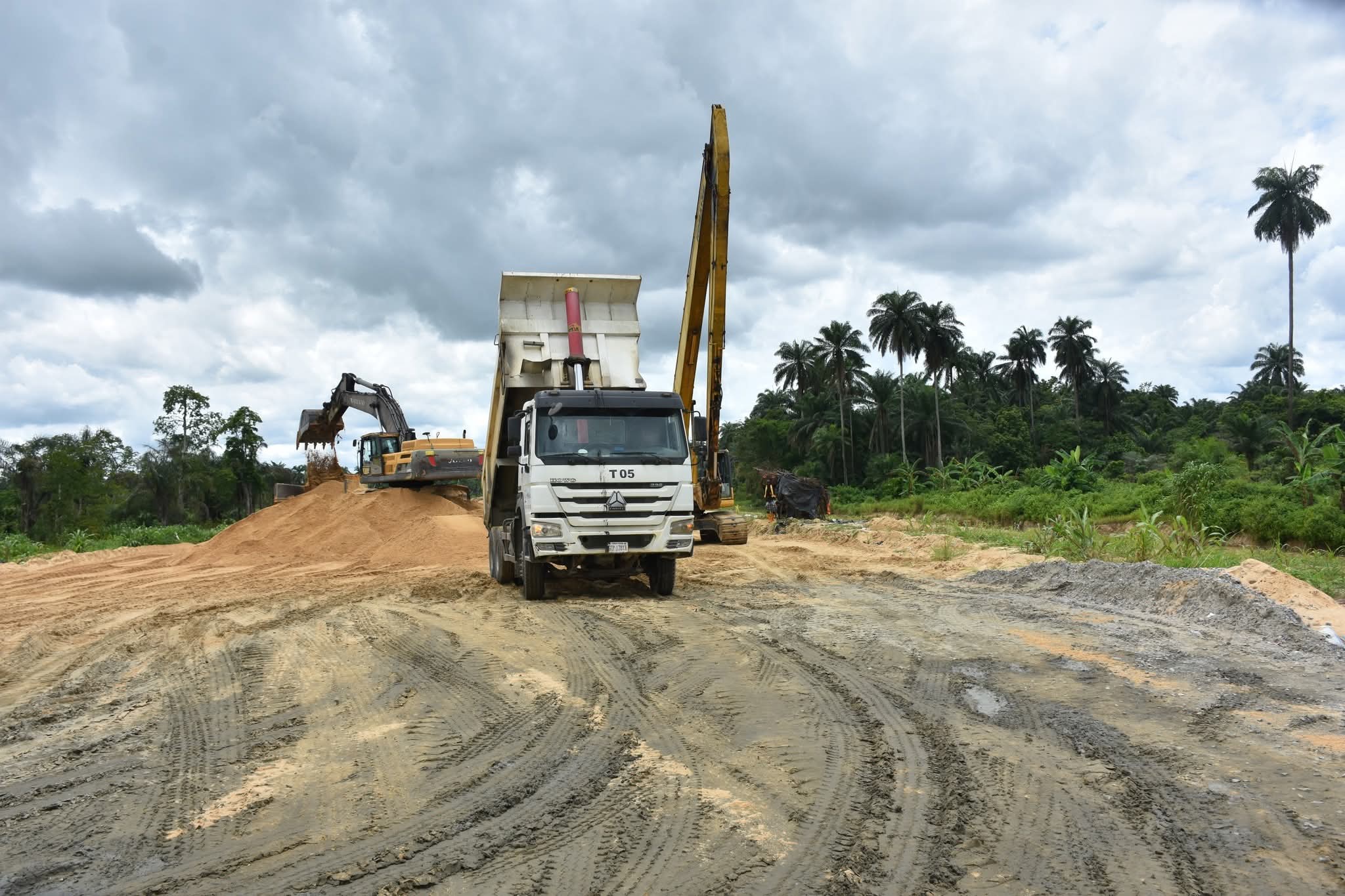

Concerns are mounting over what stakeholders describe as the growing use of proxy and politically connected companies in the execution of football infrastructure projects across Nigeria, a trend many say is undermining the development of the nation’s football sector.
Industry observers noted that the practice has become one of the most damaging structural issues affecting Nigerian football development, particularly in the construction and renovation of stadiums, training pitches, floodlight systems, turf installations, and sports complexes.
According to experts, contracts that should ordinarily be awarded to technically qualified sports infrastructure firms are allegedly being diverted to companies with little or no experience in specialized sports construction through manipulated bidding processes, administrative favoritism, unrealistic pricing structures, and coordinated propaganda against competent contractors.
They warned that the consequences are evident in the poor state of football infrastructure across the country, including deteriorating playing surfaces, abandoned stadium projects, inflated contract costs, and facilities that consistently fail to meet Confederation of African Football (CAF) and FIFA standards.
The development, they said, has also contributed to the increasing number of Nigerian clubs forced to play continental and domestic home matches outside their states due to unapproved facilities.
Experts stressed that sports infrastructure development differs significantly from conventional civil construction, noting that FIFA-standard pitches require specialized expertise in areas such as subsoil engineering, irrigation systems, drainage gradients, turf science, player safety compliance, environmental management, seating engineering, and lighting calibration.
They argued that without experienced professionals handling such projects, Nigeria would continue to spend huge public funds on facilities incapable of competing with global standards.
Stakeholders further pointed out that countries with successful football infrastructure systems usually separate politics from technical project delivery by emphasizing transparent procurement processes, technical prequalification of contractors, independent project supervision, performance bonds, and long-term maintenance obligations embedded in contracts.
They therefore called on football administrators and government agencies to prioritize competence, durability, accountability, and international compliance over patronage networks if Nigeria intends to achieve sustainable football development and improve the quality of its sporting infrastructure.
About Author

