


Recurring Hostel Fire Sparks Fears Over Students’ Safety in Bayelsa Medical University
VC Orders Investigation, Relocates Affected Studen

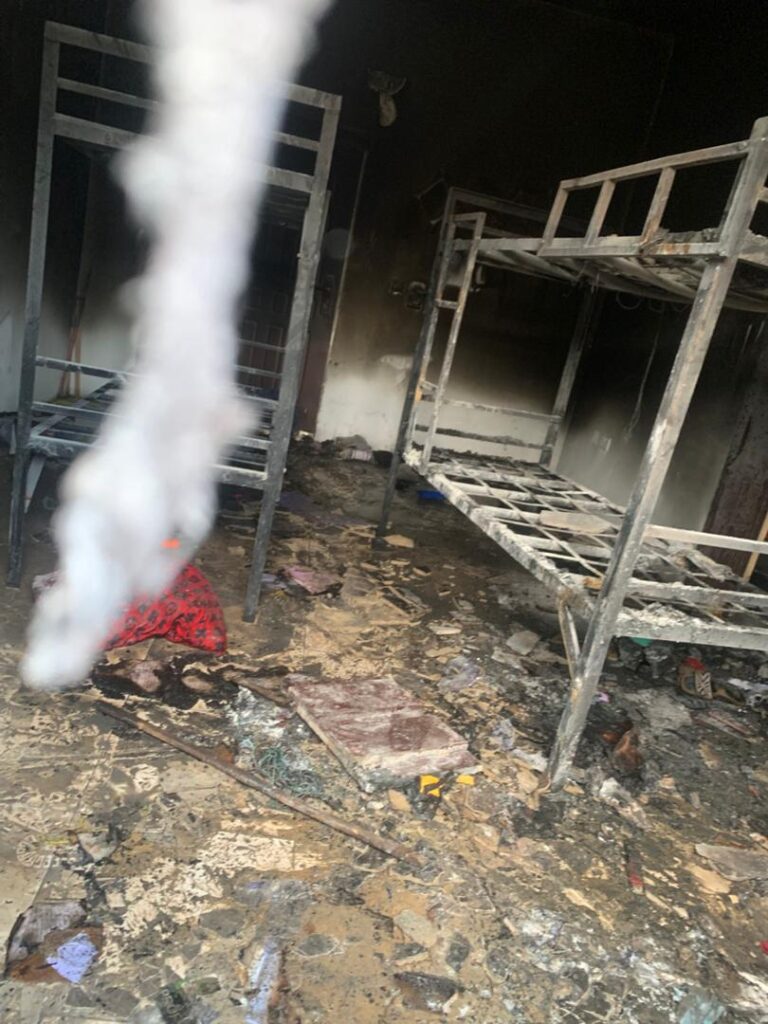
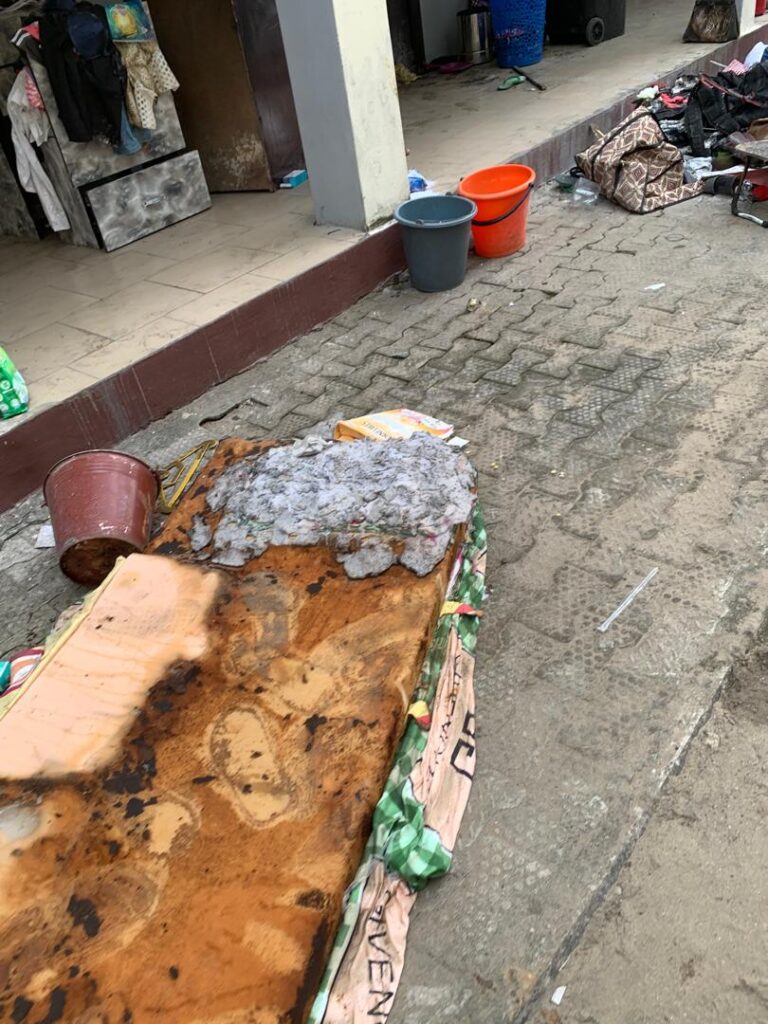
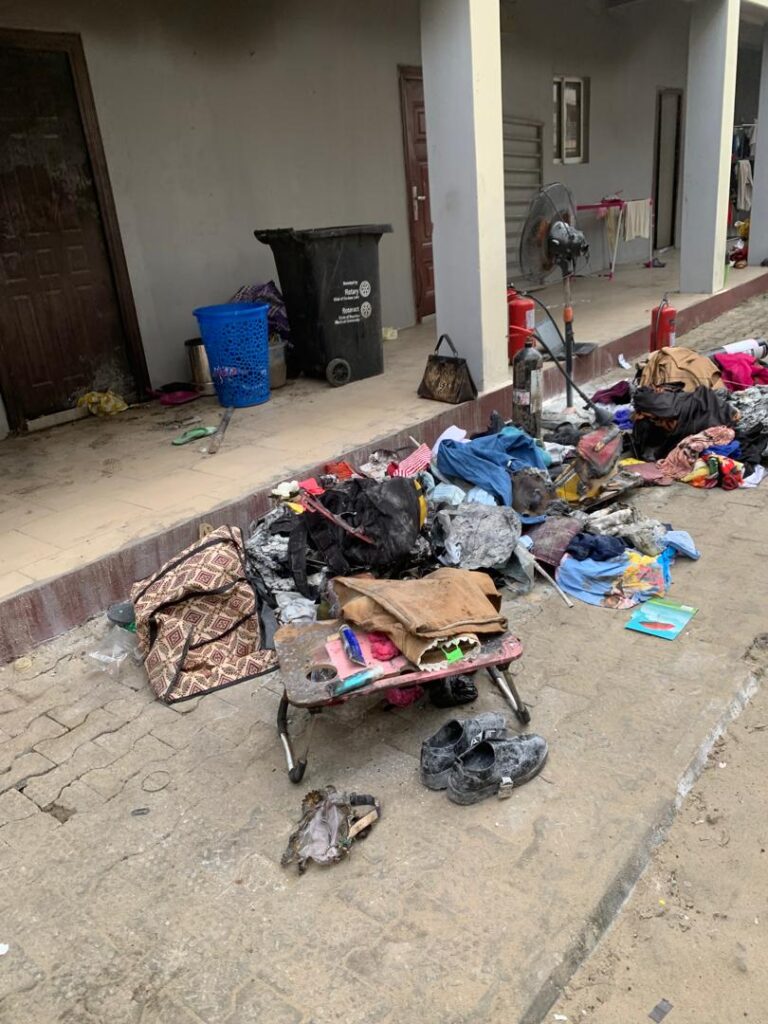
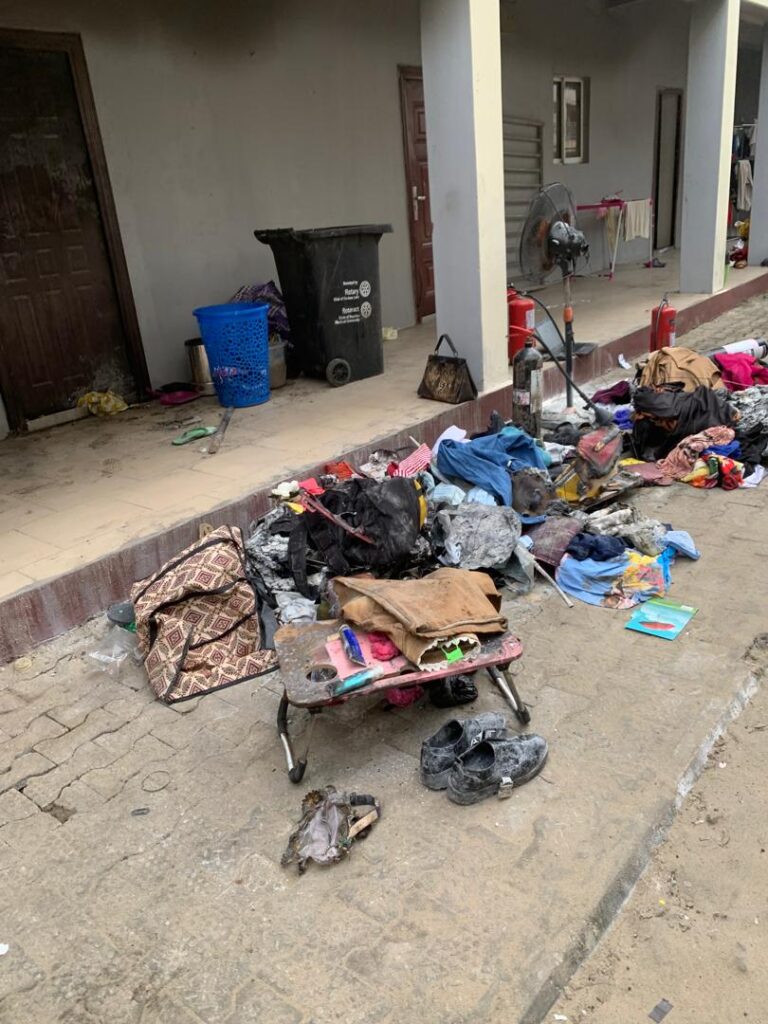
Fear and anxiety have continued to spread among students and parents of Bayelsa Medical University (BMU), Yenagoa, following another fire outbreak at the female hostel of the institution on Monday night, destroying students’ valuables and raising fresh concerns over what students described as repeated electrical faults in the building.
Although no life was lost in the latest incident, students said the fire, which reportedly started from an electrical spark, could have turned tragic if those inside the hostel had not escaped in time.
Several students who spoke with our correspondent recounted how they ran for safety in panic as thick smoke and flames engulfed one of the hostel rooms.
A 400-level Nursing student said the incident occurred shortly after she went to bed, adding that many students initially dismissed the alarm because electrical sparks had become a frequent occurrence in the hostel.
“I slept around after 9 p.m. Not up to 20 minutes later, I started hearing shouting. Immediately I woke up, I heard people screaming ‘fire’. After the last fire incident, there have been several sparks. People will shout, but it often looks like we are overreacting.
“So I felt it was the same situation again. But then my roommate kept shouting ‘fire’. That was how I ran out of the room in shock. I was expecting it to be something minor as usual, but then I saw flames. The room was seriously burning,” she said.
According to her, efforts to contain the fire were hampered because the hostel’s fire extinguisher was reportedly empty, while water supply from the tap was inadequate.
“I first ran downstairs and saw a girl with a fire extinguisher.
As she tried to use it, nothing came out because it was empty. She then tried to get water from the tap, but the water was only dripping,” she alleged.
The student further claimed that the hostel gate was locked during the incident, making evacuation and rescue efforts more difficult.
“The gate to our hostel was locked. We have been begging the school authorities to keep it open. Even during the daytime, they don’t open it. They said it is for security reasons,” she stated.
Another 400-level Nursing student said the fire quickly consumed the affected room before help arrived.
“By the time we came out, the room had been burnt to ashes. We called our porter, but she could not do much. The fire extinguisher was not working. The boys eventually broke the back gate of the hostel, came in and managed to quench part of the fire.
“Before the fire service arrived, they had already reduced the fire, but all the belongings were damaged. Their documents and everything were gone,” she said.
A 300-level Optometry student narrated how she returned to the hostel only to meet confusion and heavy smoke.
“I went out to buy toiletries and provisions. As I was returning, I saw security personnel running. I was trying to go upstairs when I saw students coming down with buckets.
“By the time I turned to my right, I saw a room engulfed in flames. I couldn’t even move. Everywhere was burning. The bunk beds were on fire,” she said.
Another student from the Department of Medical Laboratory Science noted that frequent fire scares had made many students less responsive to alarms.
“Fire is something that is not new to any BMU student. Last week there was a fire scare, this week another one. We thought it was a minor issue, but the fire became so intense,” the student said.
She disclosed that she hurried upstairs to rescue important documents despite battling panic and suffocation from the smoke.
“I had to rush upstairs and pick my documents, my WAEC certificate, my laptop and every important thing. I didn’t carry my clothes because clothes are vanity.
“As I opened my door, I was overwhelmed by the smoke. I don’t have asthma, but I almost had an asthma attack. The smoke was so thick. I had a panic attack and started crying,” she added.
Parents have also expressed concern over the safety of their children in the institution.
A parent, Mr. Peremobowei Stanley Disi, whose daughter is a student of the university, described the recurring fire incidents as disturbing and dangerous.
“It is saddening that a similar situation has occurred several times. They should have traced the source of the problem and, if necessary, replaced the wiring completely,” he said.
Disi warned that future incidents could prove fatal if urgent measures are not taken.
“Thank God no lives have been lost so far, but the next incident could be more deadly. Sometimes these students are asleep when such things happen. Who will rescue them?” he queried.
He urged the university management and government to conduct a comprehensive inspection and rewiring of the hostel.
Reacting to the incident, the Vice-Chancellor of Bayelsa Medical University, Prof. Dimie Ogoina, said he was informed of the fire the morning after it occurred and immediately visited the affected hostel room to assess the situation and meet with the affected students.
According to him, preliminary findings suggest that the fire may have originated from a spark in an electrical extension box that had been placed on a student’s mattress, which subsequently ignited the foam and triggered the fire.
Prof. Ogoina said the university had already taken immediate steps to address the situation, including expressing sympathy to the affected students, ordering an audit of damaged and lost property to enable the institution provide support, relocating affected students to a safer accommodation, and initiating a full investigation into the incident in collaboration with the Bayelsa State Fire Service.
“Management has always prioritized student safety and well-being. We will continue to treat this matter with the seriousness it deserves.
Once the full investigation is concluded, we will address all findings—whether relating to electrical infrastructure, student conduct, or safety protocols—and take appropriate corrective action,” the Vice-Chancellor stated.
He assured students, parents and the public that the university would take all necessary measures to prevent a recurrence and ensure the safety of residents in its hostels.
This version presents both the students’ concerns and the Vice-Chancellor’s official response, making the report more balanced and professionally structured.
About Author

