

Pinnick Reveals Foreign Firm Handling Four Nigerian Stadium Projects, Sports Broadcaster Calls for Local Content

A former President of the Nigeria Football Federation (NFF), Mr. Amaju Pinnick, has disclosed that the construction firm behind the recently admired stadiums in Morocco is currently handling the development of four major stadium projects in Nigeria.
Pinnick made the revelation while speaking on 95.1 Info Nigeria FM, where he stated that the foreign construction company is responsible for the Warri Wolves Stadium, two stadiums in Bayelsa State, and the Teslim Balogun Stadium in Lagos.
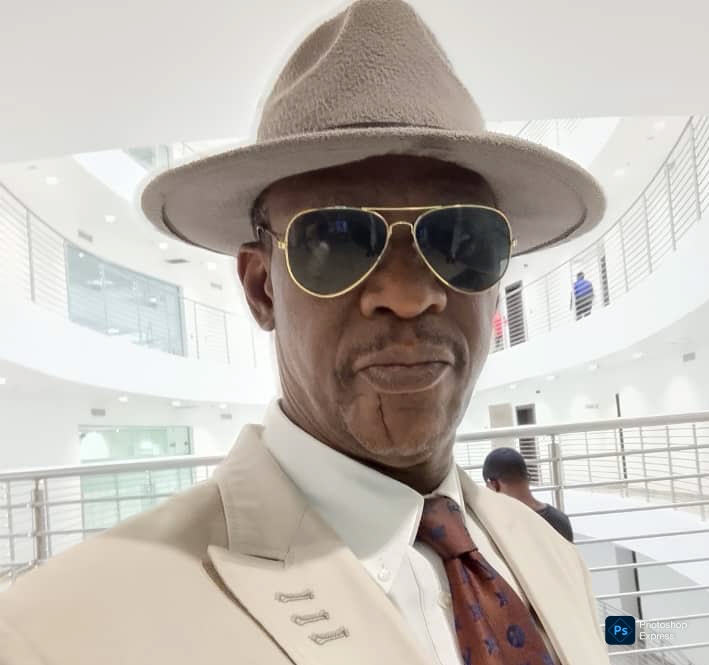
While acknowledging the quality and global appeal of the Moroccan stadiums, a veteran Nigerian sports broadcaster and former FIFA-accredited commentator, Mr. Sampson Atasia Oburu, has expressed concern over the continued reliance on foreign contractors for major sports infrastructure projects in the country.
Oburu described the development as a form of capital flight, arguing that it undermines the growth and capacity of indigenous contractors within Nigeria’s sports and construction sectors.
“While the projects may be good, patronising foreign firms at this scale amounts to capital flight and does little to encourage the growth of local contractors,” he said.
According to him, engaging indigenous construction firms would not only strengthen local expertise but also create more jobs and meaningful engagement for Nigerian youths.
Oburu specifically cited MoniMichelle Limited, led by Ebi Akpe, popularly known as Moni Love, as an example of a Nigerian firm capable of delivering world-class stadium facilities.
“MoniMichelle is as good as any foreign contractor, if not better. We have the expertise locally, and it should be supported,” he added.
The veteran broadcaster, who was a FIFA-accredited commentator during the 1999 FIFA World Youth Championship, said his position is rooted in years of experience in sports development and broadcasting.
Oburu, a graduate of the NTA Television College, described himself as a strong advocate of local entrepreneurship in sports development, stressing that sustainable growth in Nigerian sports infrastructure must prioritise indigenous participation.
He called on sports administrators and government authorities to adopt policies that balance international standards with local capacity development, in line with Nigeria’s broader economic and youth employment goals.
About Author

