

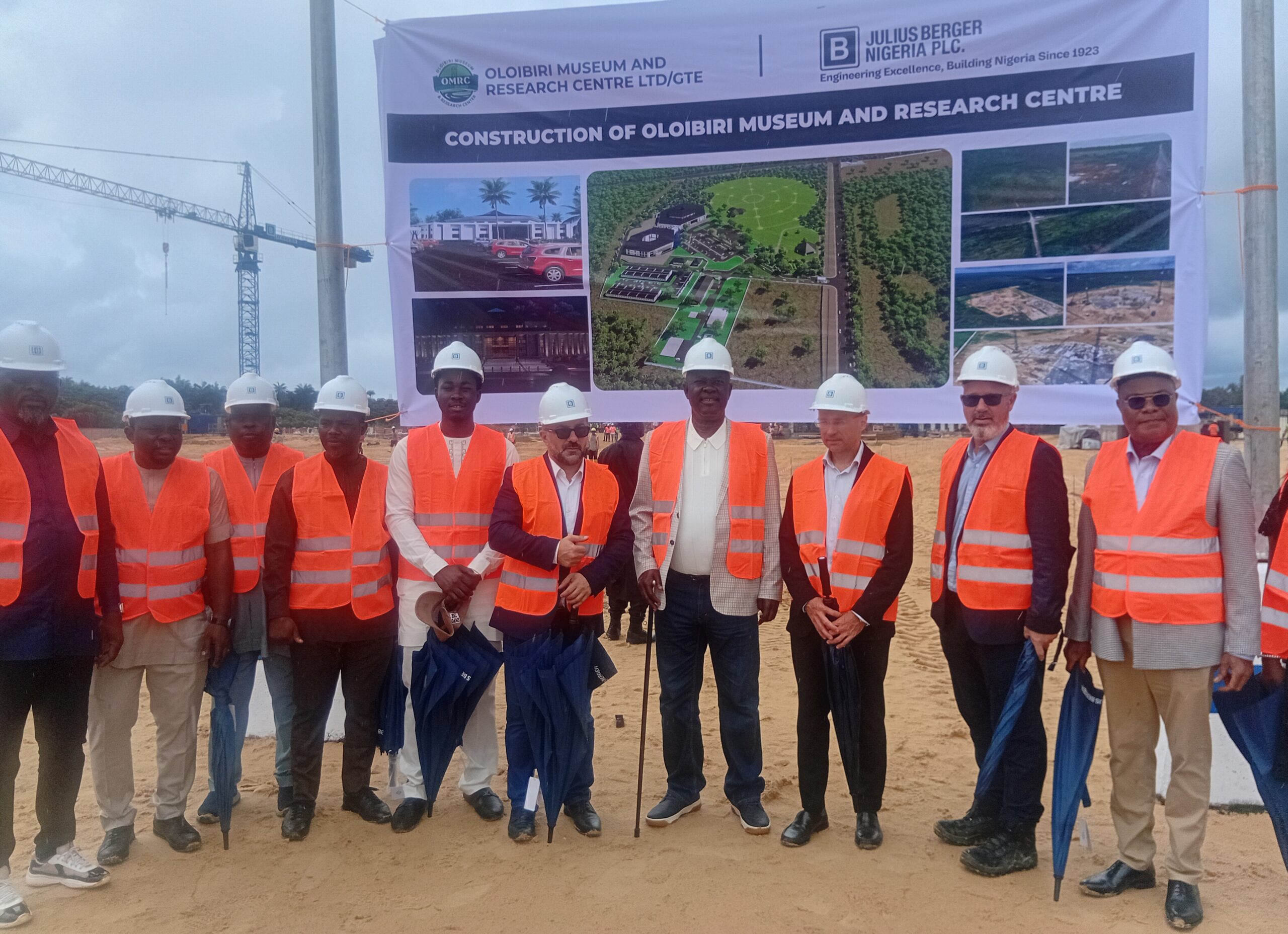
Lokpobiri Inspects Oloibiri Museum, Stakeholders Reaffirm Commitment to 2028 Completion

The Federal Government, project management team and contractors handling the Oloibiri Museum and Research Centre (OMRC) have reaffirmed their commitment to completing the landmark project, with Petroleum Minister of State for Oil, Senator Heineken Lokpobiri, assuring that government will fulfil its obligations to keep construction on schedule.
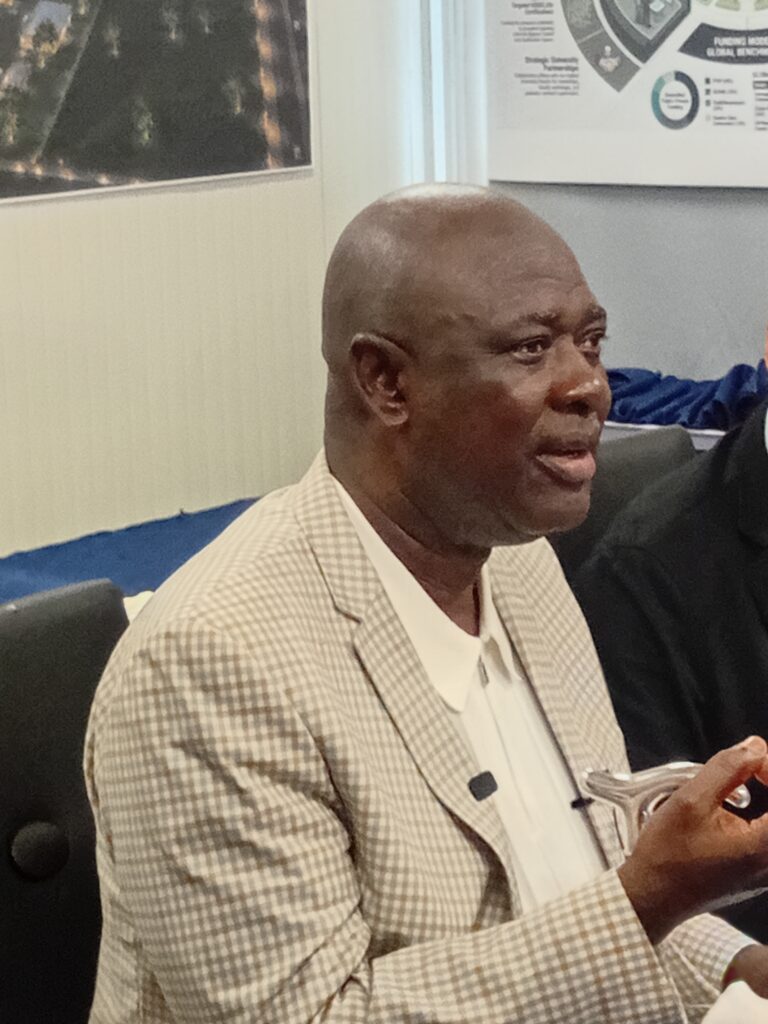
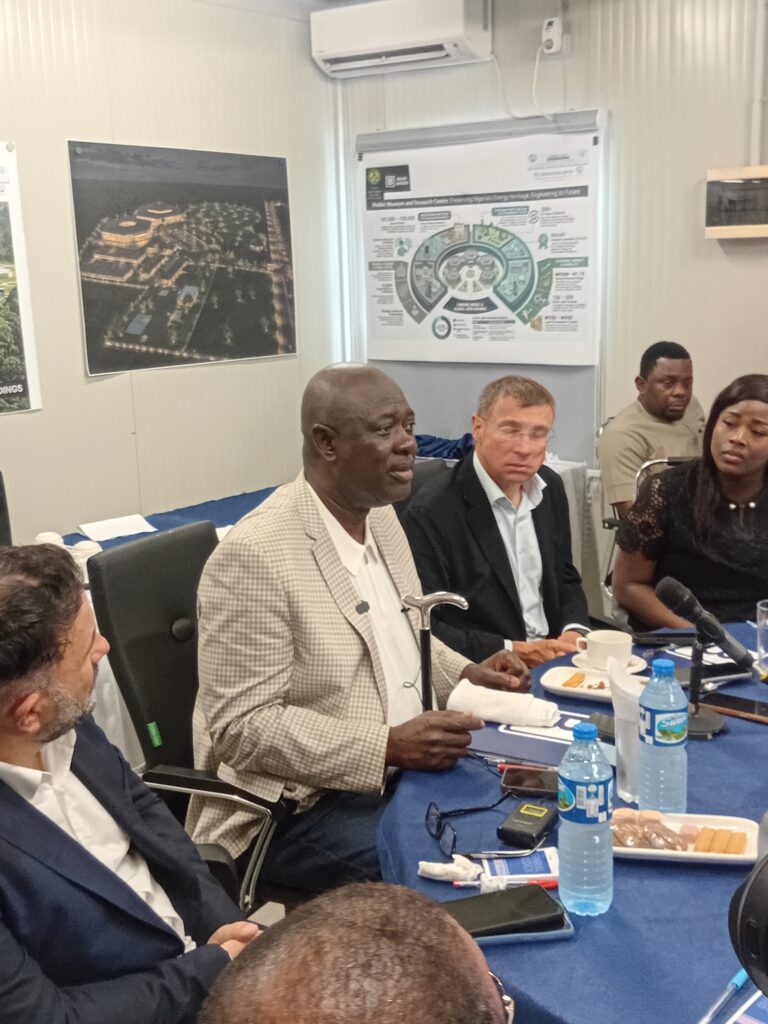
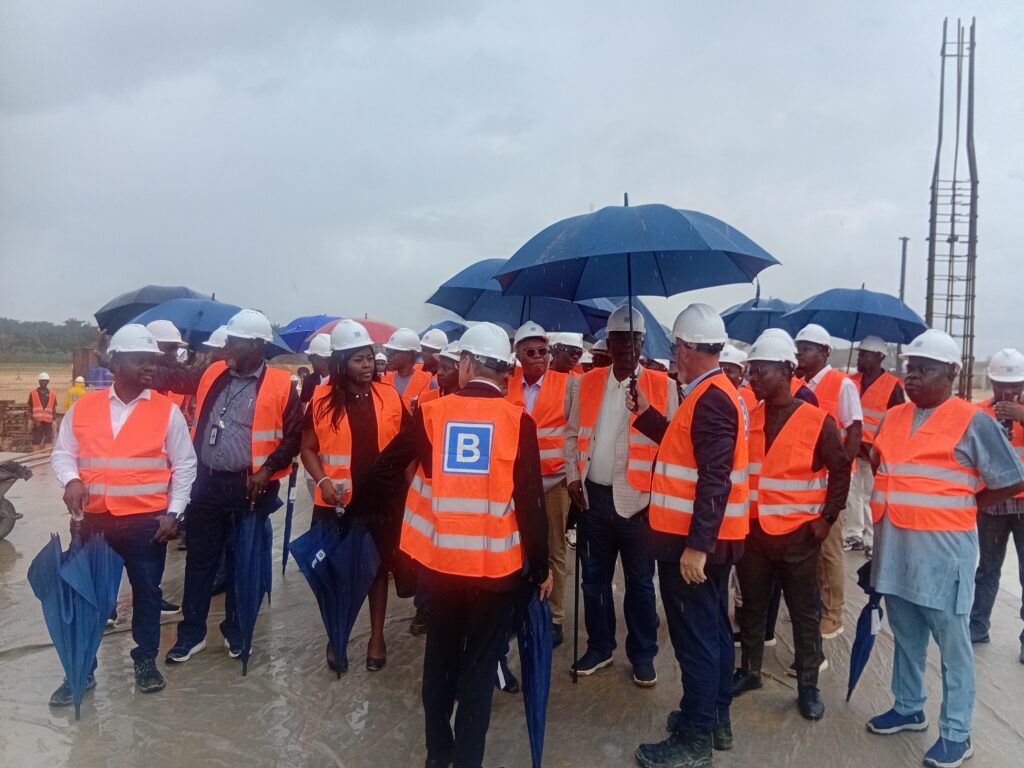
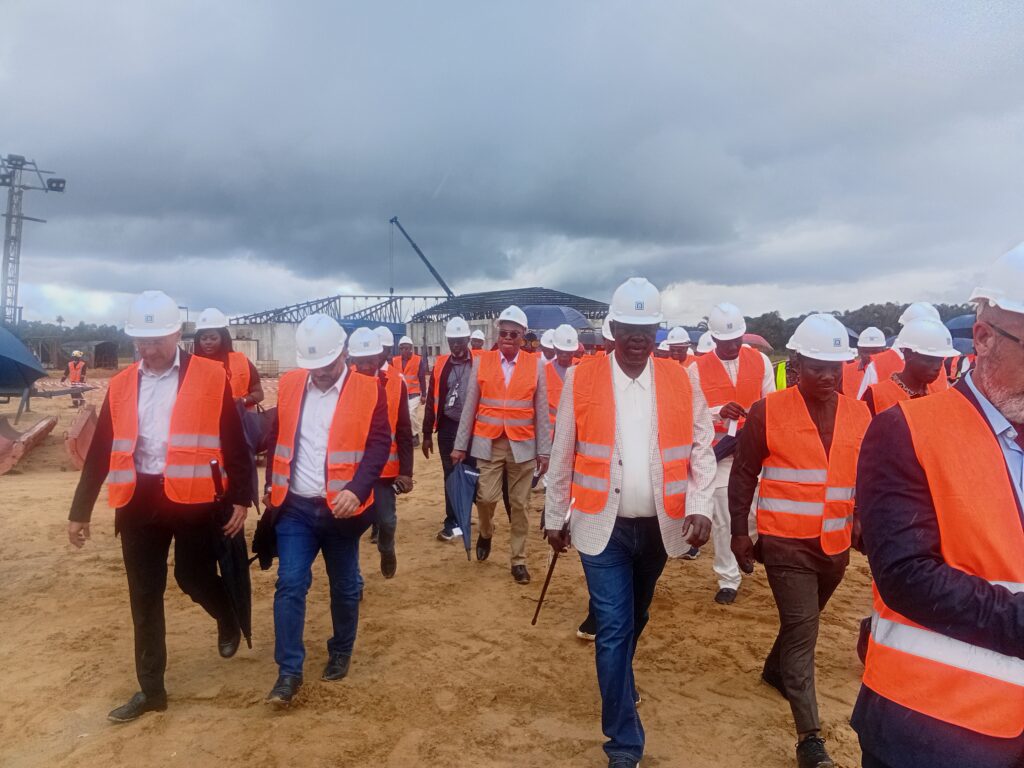
Lokpobiri gave the assurance during an inspection visit to the ongoing project at Oloibiri, Ogbia Local Government Area of Bayelsa State, where Nigeria’s commercial oil exploration began in 1956.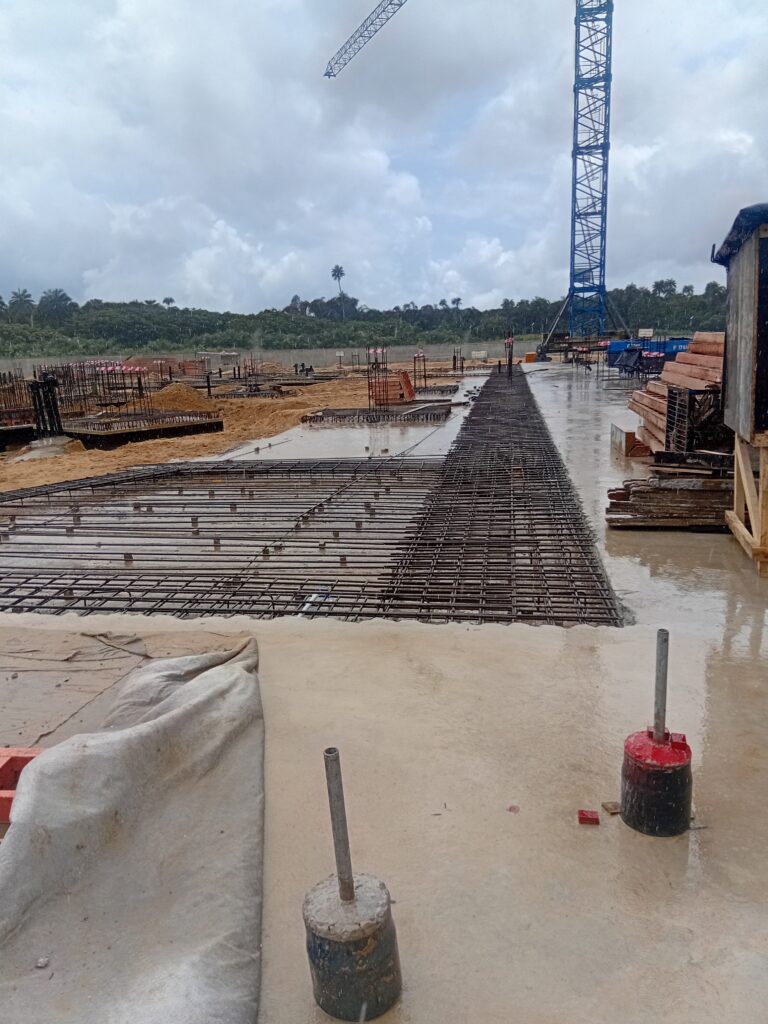
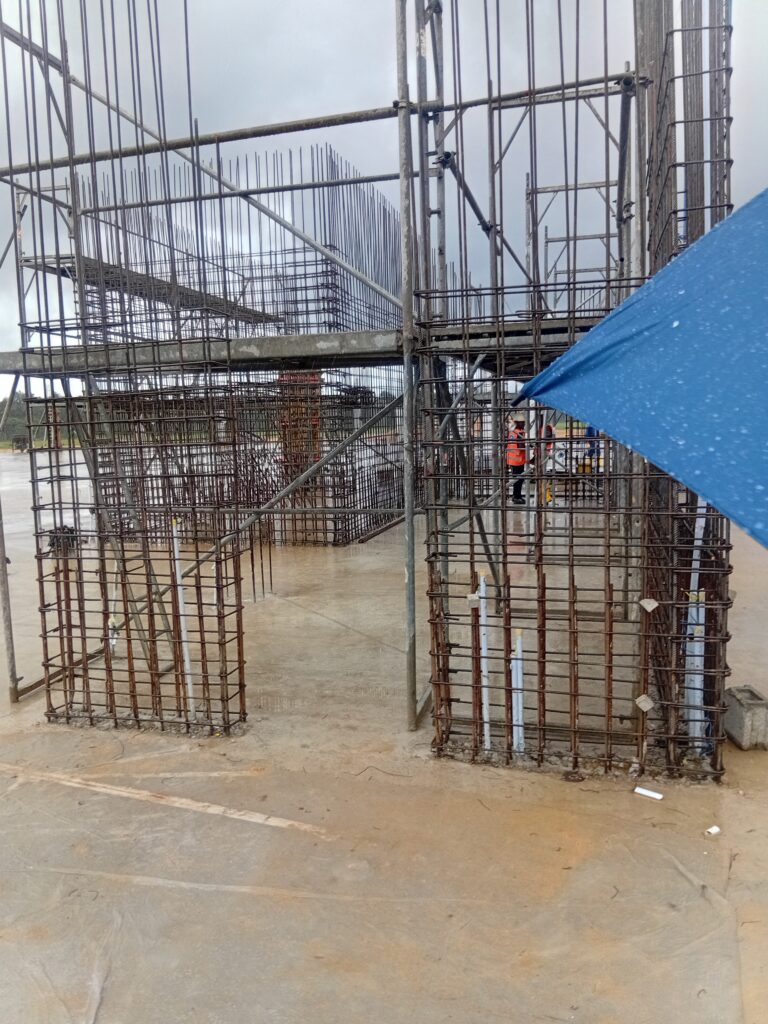
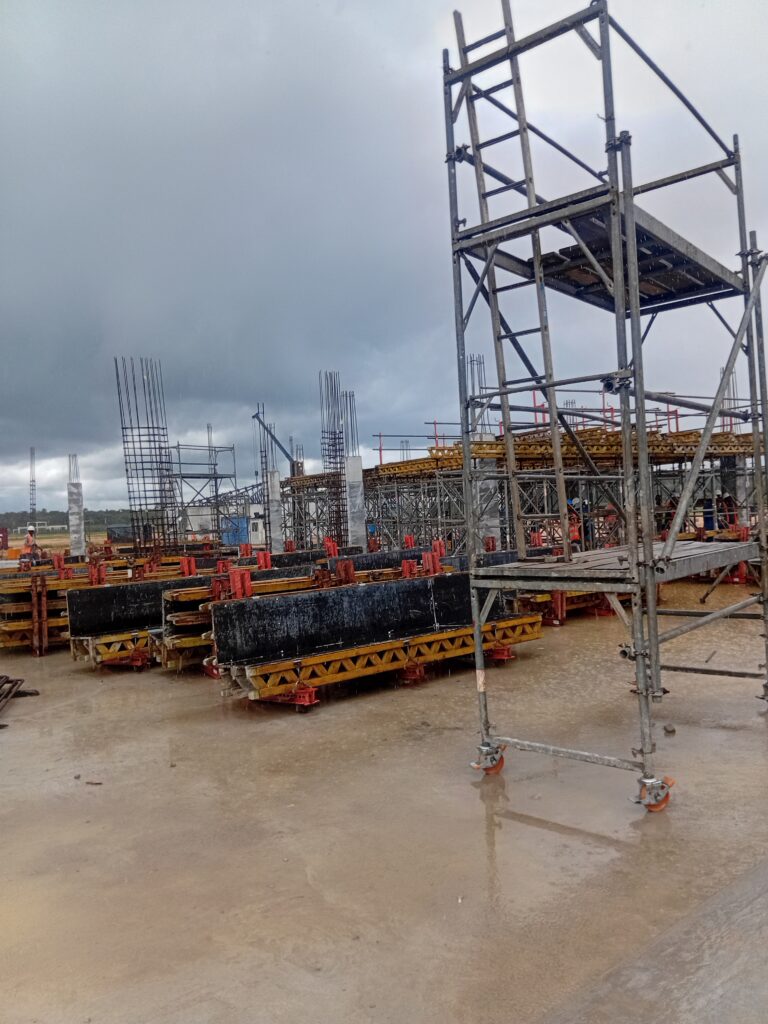
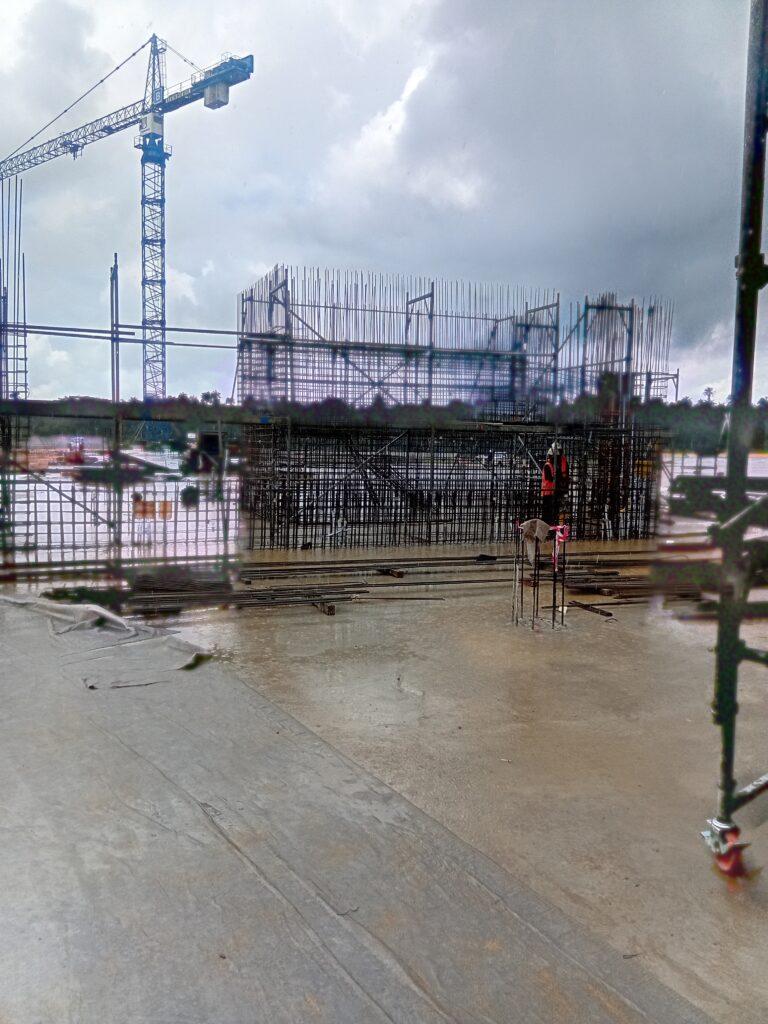
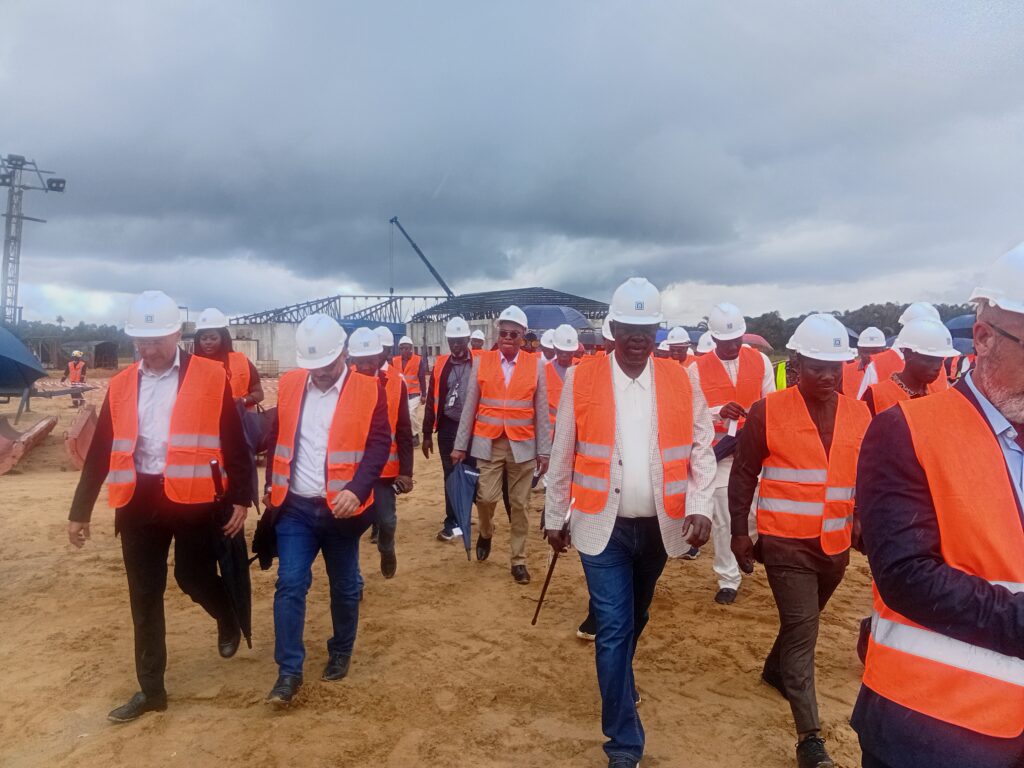
The Minister expressed satisfaction with the quality and scale of work at the site, describing the project as a national masterpiece that would preserve Nigeria’s petroleum history and provide a platform for research, exhibitions, tourism, conferences and international engagement.
He said the project had remained on the drawing board for decades until the present administration gave it renewed impetus.
Lokpobiri said the Federal Government was determined to see the project completed by 2028, stressing that Nigeria could not properly tell its history without recognising the pivotal role of Oloibiri in the development of the nation’s oil and gas industry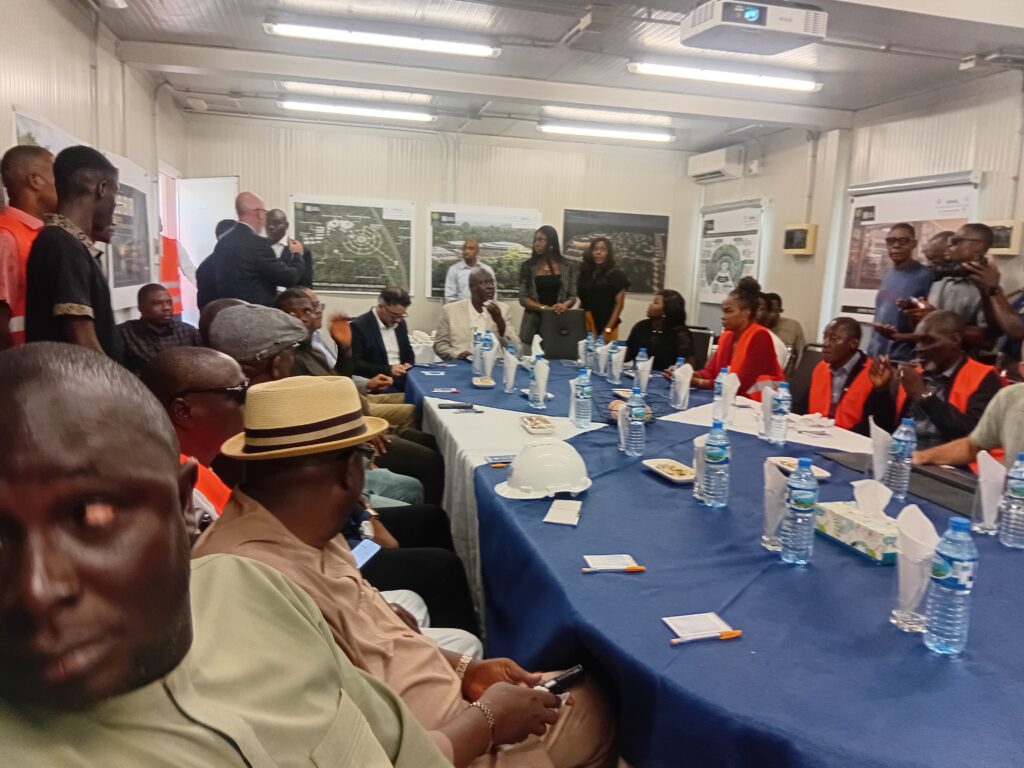
 .
.
The Minister disclosed that about N70 billion had already been paid under the first phase and pledged that government would continue to meet its financial obligations to ensure that the project did not suffer unnecessary delays.
He also promised to make regular, including unannounced, visits to the site to monitor progress and ensure that the project remained on course.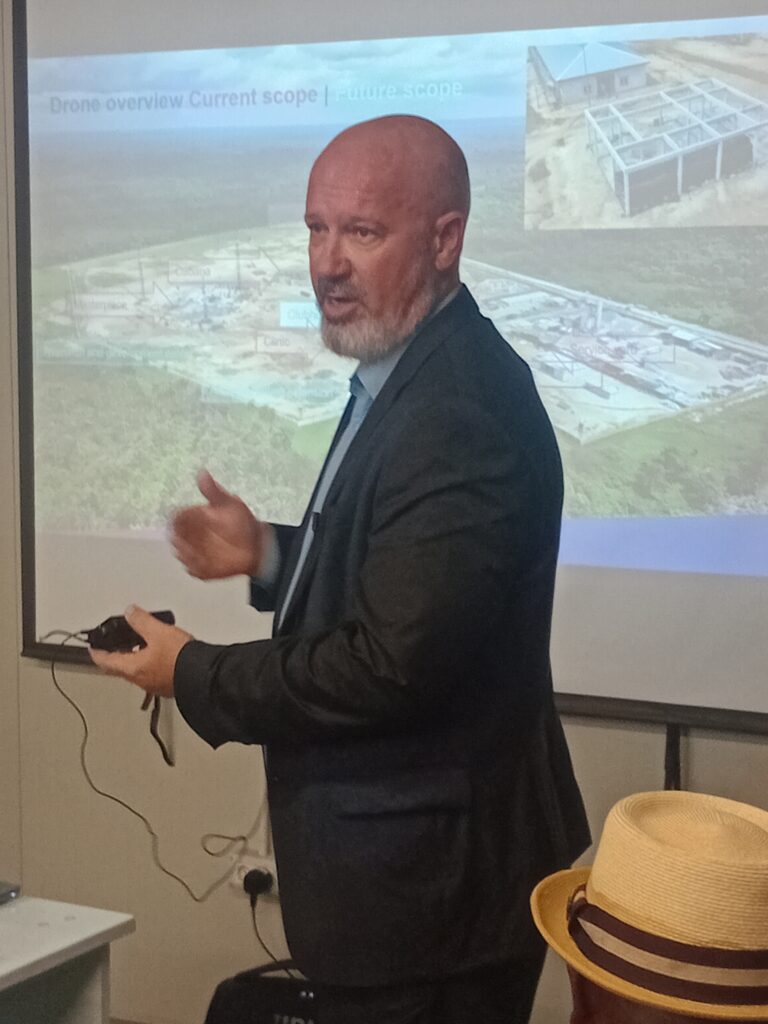
The Project Manager, Botha de Bruyn, also reaffirmed the contractor’s steadfast commitment to delivering the Oloibiri Museum and Research Centre according to the approved designs, specifications and project schedule.
De Bruyn said the contractor remained fully committed to the successful completion of the project and would continue to work closely with the Federal Government, project management team, host community and other stakeholders to overcome challenges that could affect delivery.
He expressed confidence in the capacity of the project team to maintain the momentum of construction and deliver the landmark facility within the agreed timeframe.
According to him, the contractor recognises the historical importance of the project and the responsibility attached to constructing a facility that will preserve the story of Nigeria’s oil and gas industry for future generations.
He assured that the company would remain steadfast in its commitment to quality, safety, professionalism and timely delivery.
The OMRC Project Director, Architect Ladipo Lewis, said the museum was designed to recognise Oloibiri as the birthplace of Nigeria’s oil exploration and development.
He explained that the project would document the history, culture, environment, technology, tourism and heritage of Oloibiri while capturing developments across the upstream, midstream and downstream sectors of the petroleum industry.
According to him, the facility would contain galleries, archival spaces, laboratories, research facilities, an auditorium, restaurants, shopping facilities and outdoor oil and gas exhibits.
Lewis said the main museum building covers more than 10,500 square metres, with over 4,000 square metres of gallery space, while the research centre and laboratories occupy more than 5,400 square metres.
He disclosed that the project had reached more than 15 per cent completion, with over 580 foundation piles driven more than 17 metres into the ground.
The concrete slab for the main museum building has been completed, while columns for the mezzanine and upper floors are already being erected.
He added that Oil Wells 1 and 2 had reached roofing level, while the accommodation facility had been roofed and fitted with windows. The health centre and fencing were also described as practically completed, while the major waterway in front of the site had been completed.
Lewis said the completed facility would go beyond preserving history, serving as a catalyst for tourism, research, employment, local content development and economic regeneration in Oloibiri and the wider Niger Delta.
He said the surrounding environment also offered opportunities for eco-tourism and wildlife research, with the project’s broader vision including hotels, restaurants, conference centres and other tourism-related facilities.
“This is an opportunity to engage the entire world and put Oloibiri on the map of the world,” Lewis said.
The project, which is targeted for completion in 2028, is expected to become a major national heritage destination, preserving the story of Nigeria’s petroleum industry from its beginnings in Oloibiri while providing a platform for research, education, tourism and international engagement.
About Author

