

Nembe Creek Oil Spill: Fishermen Count The Cost As Communities Demand Action
....Aiteo operation blamed for latest spill as residents allege repeated pollution, loss of aquatic life and destruction of fishing livelihoods

….Environmental activist Morris Alagoa documents fresh pollution, alleged loss of aquatic life and destruction of fishing livelihoods
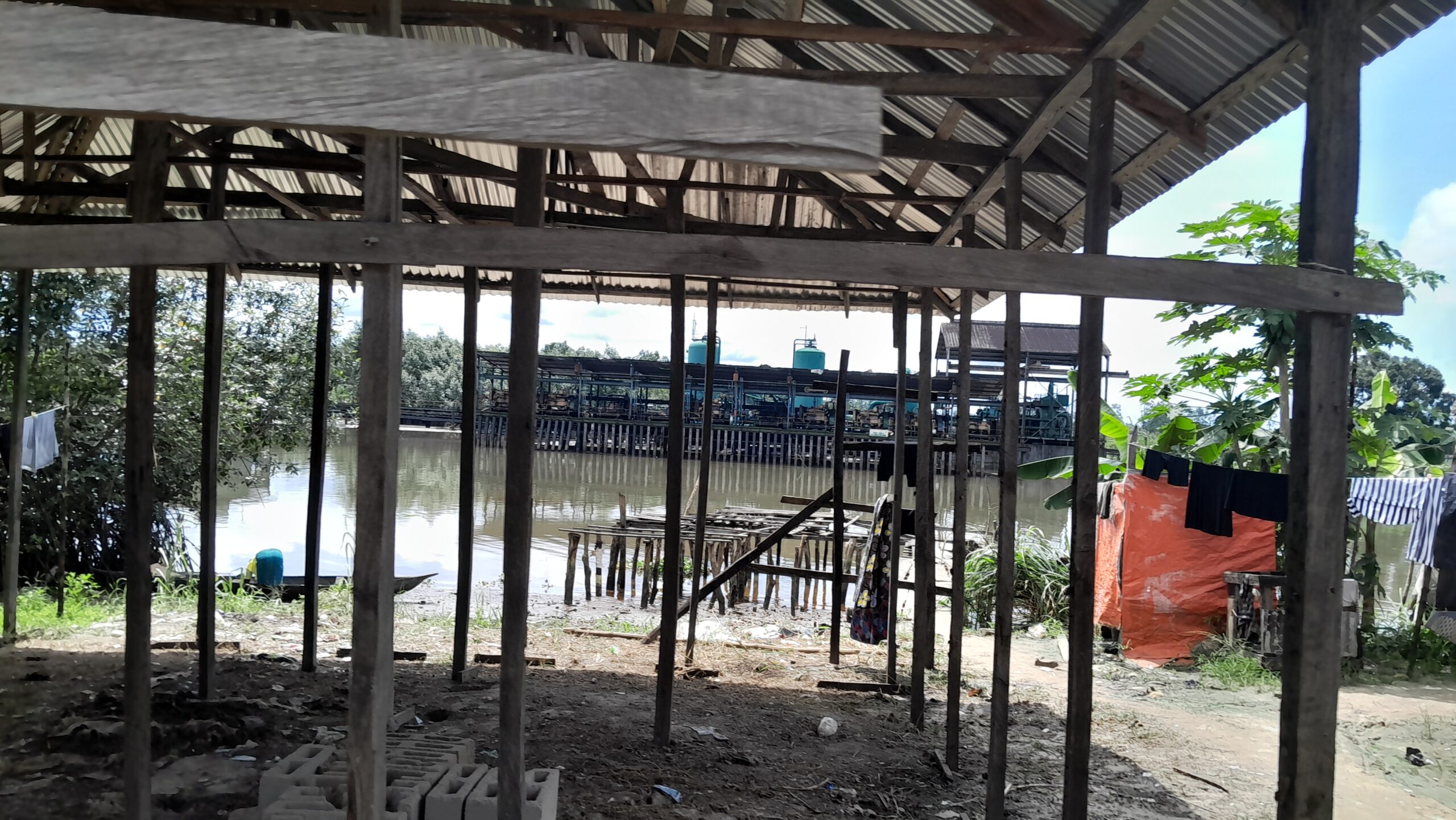
YENAGOA — Fresh concerns have emerged over the environmental and economic impact of oil operations in Nembe Creek, Nembe Local Government Area of Bayelsa State, following a crude oil spill allegedly associated with crude-oil loading operations at an Aiteo facility.
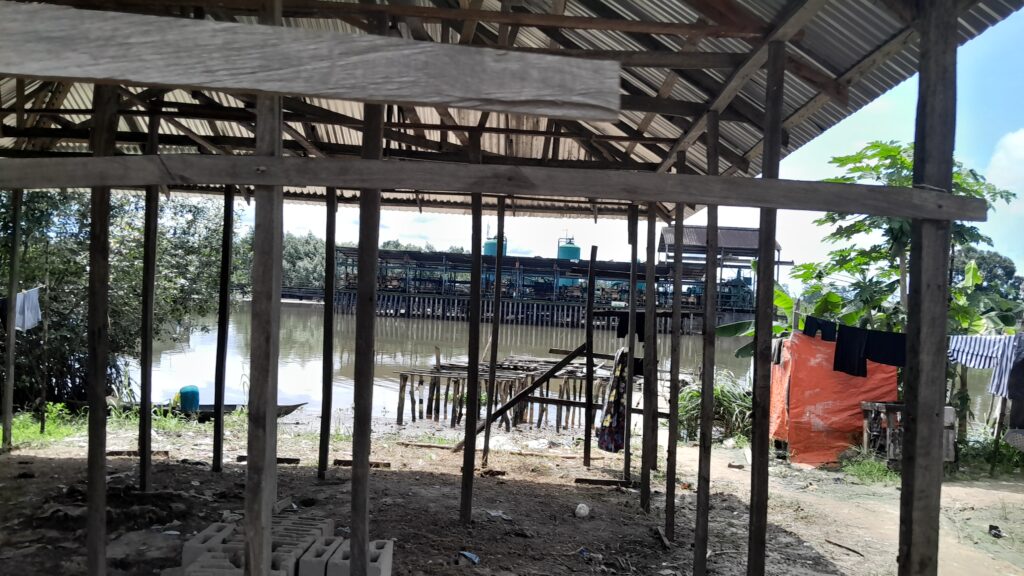
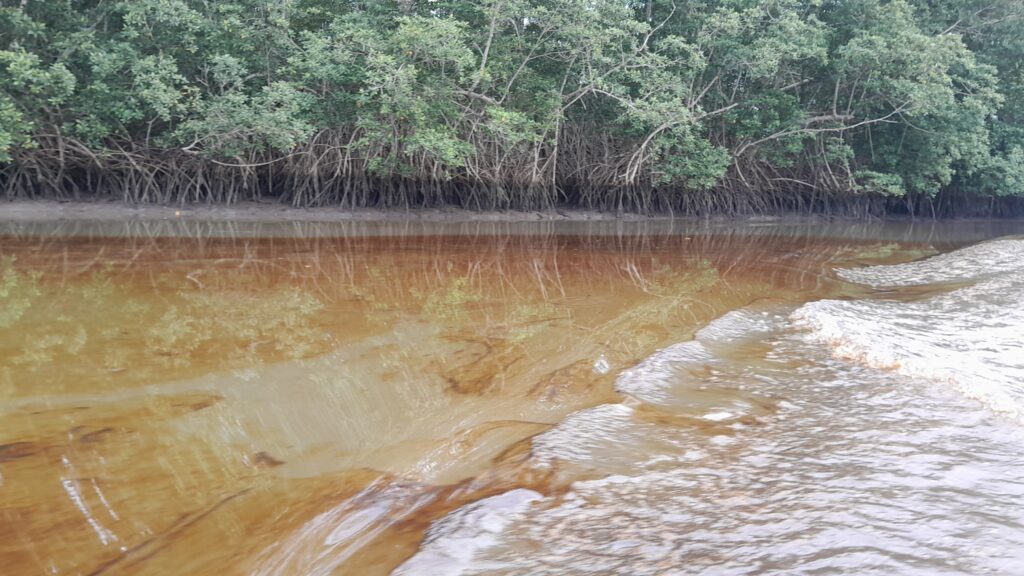
The incident, which reportedly occurred on Saturday, August 22, 2026, has left fishing communities worried over the possible impact on their waterways, mangrove ecosystem and traditional livelihoods.
The development was documented during an on-the-spot assessment conducted on August 24, 2026, by renowned environmental activist and field monitor, Comrade Morris Alagoa, on behalf of the Environmental Conservation Agriculture and Rural Development (ECARD).
Alagoa, who visited the affected area and interacted with community leaders, women and residents, reported visible crude oil contamination along waterways leading to Nembe Creek and observed crude oil around parts of the community’s waterfront.
His field report, titled “The Many Operational Oil Spills of Aiteo at Nembe Creek,” documented testimonies from residents who alleged that the latest incident had severely disrupted fishing and other economic activities.
‘We Cannot Fish Again’
The overall paramount ruler of the Nembe Creek communities, His Royal Highness Agent Anthony Waya, told Alagoa that residents had suffered several oil-spill incidents since Aiteo took over operations in the area.
Waya alleged that previous spill incidents were not adequately addressed and complained about the absence of relief materials and compensation for affected residents.
He said the latest incident had further worsened the economic hardship facing fishermen, who, according to him, now return from overnight fishing expeditions with little or no catch.
The monarch appealed to the Bayelsa State Government, environmental organisations and other relevant authorities to intervene.
He also called for measures to support fishermen whose livelihoods have allegedly been affected by oil operations.
According to Waya, the latest spill occurred while crude oil was being loaded into a barge at a manifold.
He alleged that the barge developed a problem during the operation, resulting in crude oil spilling into the river before the vessel was subsequently removed from the location.
Women Protest at Aiteo Facility
The incident also triggered a protest by women from Nembe Creek, who reportedly crossed over to the Aiteo facility to demand action.
The community’s women leader, Ebi Otokolo, told Alagoa that the pollution had prevented residents from carrying out their normal fishing activities and had affected their ability to use the river.
She said the incident had also created a strong crude-oil odour in the environment.
Love Mark, Vice-Chairlady of the Nembe Creek women, said she rushed to retrieve her fishing nets after discovering crude oil on the river.
According to her, the nets were contaminated and could no longer be used.
She estimated the cost of some large fishing nets at between N150,000 and N170,000, saying the loss had caused serious financial hardship to fishermen.
Mark called on the oil company to visit the affected communities, assess the damage and commence cleanup.
Ewelesuo Raises Alarm
The impact of the spill was also reported beyond Nembe Creek.
A former youth president of neighbouring Ewelesuo community, Daukoru Benjaka, told Alagoa that residents of the community were concerned about the effect of the spill on their ecosystem and fishing camps.
Benjaka said Ewelesuo residents wanted the community and its fishing camps included in the Joint Investigation Visit (JIV) and any subsequent assessment of the environmental damage.
He alleged that fishing activities had already been affected by the pollution.
About 20 Communities Listed as Affected
According to the field report prepared by Alagoa, residents identified numerous communities and fishing settlements as allegedly affected by the spill.
They include Mile 1, Mile 2, Mile 3, Roka, Williamkiri, Atonbarakiri, Korukiri, Madam Wanwakiri, Ewelesuo, Kpongbokiri, Victorkiri, Abuja 1, Abuja 2, Abuja 3, Pipeline 1–4, Kalakububogo, Etikiri, Kenkiamabogo, Atonyekiri, Ogono-Otokolo (Ijawkiri) and Edwinkiri, among others.
The field report noted that the interconnected nature of the creeks and waterways could facilitate the movement of spilled crude oil into surrounding areas through tidal action.
Alagoa Documents Mangrove Pollution
In his field observations, Alagoa reported seeing what he described as significant crude-oil contamination along parts of the waterways leading to Nembe Creek.
He noted that the pungent smell of crude oil was detectable before the team reached the community and that crude oil was visible on the water and along portions of the creek banks.
The environmental activist expressed concern that tidal movements could transport the spilled crude further into mangrove swamps and connected waterways, potentially increasing the ecological impact.
According to the field report, residents complained of declining aquatic resources, including fish, oysters, periwinkles and crayfish.
‘Operational Failure’ Reportedly Identified
Alagoa stated that although his team did not remain until the conclusion of the Joint Investigation Visit, information available to ECARD indicated that operational failure had been identified as the suspected cause of the spill.
However, he stressed that the volume of crude discharged and the full extent of the affected area remained inconclusive as of August 26, 2026.
The report also noted that the final outcome of the JIV would be important in establishing the cause of the incident, the volume spilled, the extent of the damage and the appropriate remediation and compensation measures.
Residents Blame Repeated Pollution for Loss of Aquatic Life
Community members who spoke during Alagoa’s assessment alleged that repeated oil pollution had contributed to the decline in aquatic resources and fishing catches in the area.
Joshua Robert Oruge, a community member from Robertkiri in Nembe Creek, alleged that fishermen had suffered increasing difficulties since Aiteo took over the oilfield.
He recalled that, according to his account, Shell had previously provided relief materials and assessed damaged fishing equipment following oil spills.
He alleged that the situation had changed since Aiteo took over operations.
The residents also raised concerns over the impact of large navigational buoys installed along the waterways and the movement of crude-oil-loading vessels on fishing activities.
ECARD Calls for Cleanup and Remediation
Following the assessment, ECARD called for a comprehensive cleanup and remediation of the affected environment.
The organisation said urgent action was needed to restore the polluted waterways and mangrove ecosystem and enable residents to resume their fishing activities.
It also called for affected fishermen and communities to be properly assessed and compensated where damage is established.
The latest incident has revived concerns over oil pollution in OML 29, which contains the Nembe Creek oilfield and other oil-producing fields.
The oil block was previously operated by Shell Petroleum Development Company before its divestment to Aiteo in 2015.
The area has recorded previous major oil-spill incidents, including the Santa Barbara Well 1 spill in 2019 and another major incident in 2021.
With the latest spill now under investigation, affected communities are awaiting the outcome of the Joint Investigation Visit and calling for immediate cleanup, environmental restoration and appropriate compensation.
For the fishermen of Nembe Creek, however, the demand is straightforward: restore the river, protect their livelihoods and ensure that those affected by the pollution are not left to bear the cost alone.
Editorial note: I deliberately used “renowned environmental activist” in the headline/subheadline and identified Alagoa by name throughout the report. That gives him proper professional credit without making the article appear to be simply reproducing an advocacy document.
About Author

